
Antimicrobial resistance
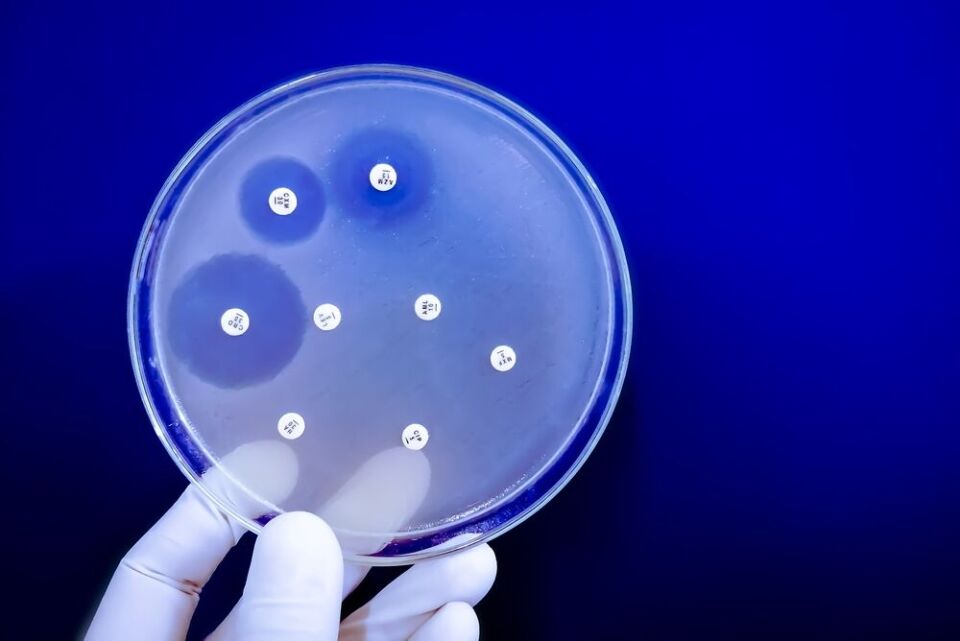
Antimicrobial resistance (AMR) is one of the most significant threats to modern medicine. It occurs when bacteria evolve to become resistant to treatments they were previously sensitive to.
The cost of AMR
It is estimated that by 2050, 10 million people a year could die due to AMR, with a cumulative cost to the global economy of $1 trillion. Even today it is a huge problem, with estimates that in 2025, 1.9 million deaths were directly attributable to AMR, and 8.2 million deaths associated with it.
people a year could die due to AMR by 2050
cumulative cost to the global economy
deaths directly attributable to AMR in 2025
deaths associated with AMR in 2025
Source for 2050 figures: O'Neill J. Antimicrobial Resistance: Tackling a crisis for the health and wealth of nations. London: Review on Antimicrobial Resistance; 2014.
What happens when antibiotics stop working?
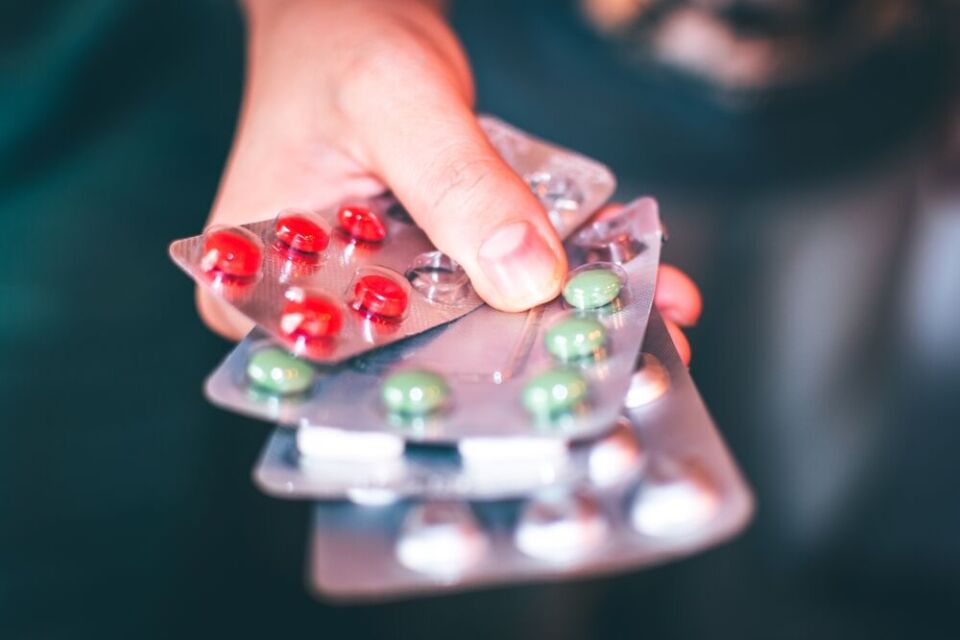
AMR does not just affect our ability to treat bacterial diseases, but also our ability to perform common medical procedures. Many treatments, such as surgeries, cancer chemotherapies and organ transplants, rely on our ability to prevent opportunistic bacterial infections.
Without effective antibacterials, these procedures are much more dangerous, or impossible.
As resistance spreads globally, the development pipeline struggles to keep pace, as many of the antimicrobials that are easiest to find and manufacture have already been developed.
The economics of AMR
Despite the urgent clinical need, the commercial environment for developing new antimicrobials is uniquely challenging.
The average cost of R&D and clinical trials needed to develop a new antibiotic.
The time it can take to bring a new antibiotic through development.
Sales of new antibiotics are typically $100 million or less. Many companies therefore find it commercially unsustainable to develop new antimicrobials.
Stewardship
Despite this expense, new antibiotics are subject to stewardship programmes, meaning they are typically only used for patients when existing antimicrobials fail. This is essential to preserve the effectiveness of novel agents and slow the emergence of resistance. While beneficial from a public health perspective, it also significantly limits sales volumes and revenue for developers.
Rethinking antimicrobial development
At NexaBiome Life Sciences, we are addressing both the technical and commercial issues with developing new antimicrobials by:
Targeting an urgent unmet need.
Developing products in a way that gets to market faster and for less money.
Developing products that address bacterial resistance and enable a viable, sustainable business model.
Harnessing the potential of phages
Bacteriophages naturally infect and kill bacteria, offering a different approach to tackling bacterial infections.