
Making phage products viable
NexaBiome Life Sciences has developed several complementary technologies that address key barriers to the development of new antimicrobials, specifically in the development of effective bacteriophage products.
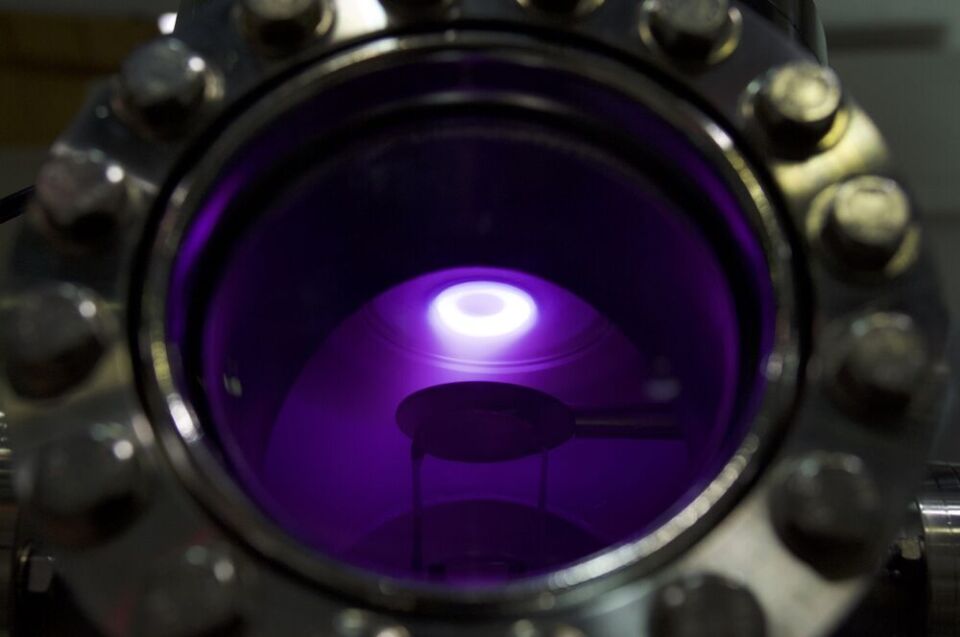
Keeping phages stable and active
The keystone of our technology is a patented method of stabilising phages by attaching them to substrates. NexaBiome Life Sciences uses plasma treatment to "activate" substrates, making them reactive and enabling phages to bind while maintaining viability. This binding stabilises the phages, allowing them to remain active at room temperature.
The latest generation of this patented technology works with almost any substrate, including wound dressings, catheters and other in-dwelling devices. Stabilised phages can also be attached to powders, allowing them to be incorporated into gels or creams.
- Activate Plasma treatment activates the substrate
- Bind Phages bind while remaining viable
- Stabilise Bound phages remain active at room temperature
- Wound dressings
- Catheters
- In-dwelling devices
- Powders (for gels and creams)
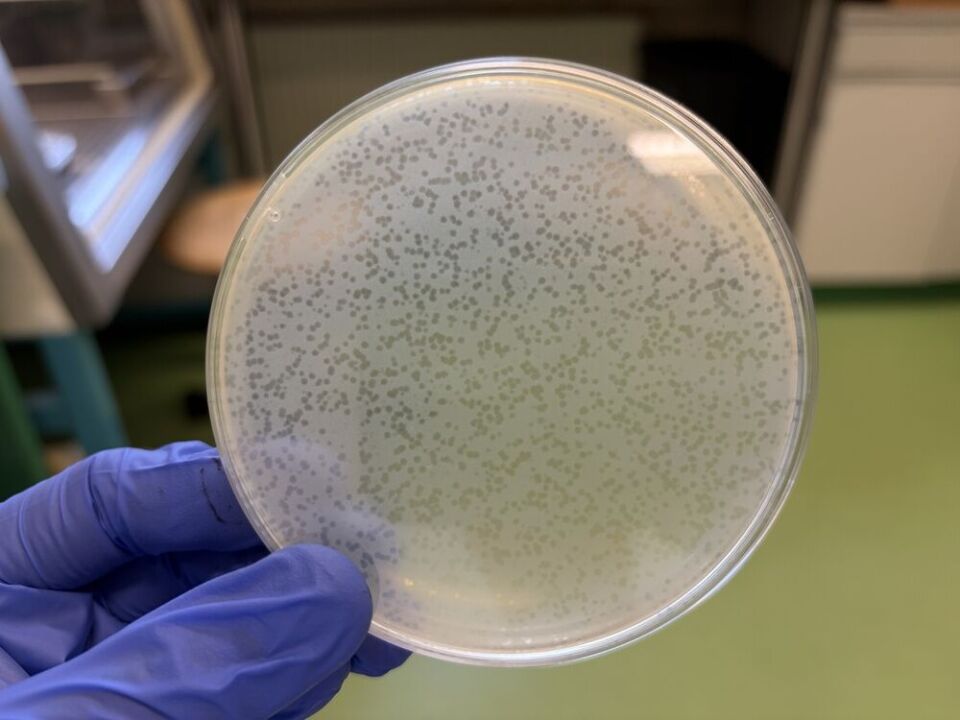
Finding the right phages
In addition to its stabilisation technology, NexaBiome Life Sciences has developed an approach to selecting phage cocktails under conditions that more closely reflect natural infection. This helps identify phages with the greatest potential against target bacteria, rather than relying solely on performance under conventional laboratory conditions.
These technologies, combined with our specialist experience in phage development, address key barriers to creating viable phage products.
We are unlocking the full potential of phages as effective, sustainable antimicrobials for hard-to-treat bacterial infections that can have a profound impact on human health.
Targeting an unmet need
Diabetic foot infections can be difficult to treat, particularly when resistant bacteria and biofilms are involved.