
Diabetic foot infections
Diabetes is a major and growing global health challenge, with 589 million adults worldwide living with diabetes, a figure predicted to rise to 853 million by 2050*.

The human and healthcare burden
One in three people living with diabetes will develop a diabetic foot ulcer during their lifetime, and around 50% of these wounds become infected. Once infection takes hold, patients face a high risk of prolonged hospitalisation, loss of mobility, amputation and premature death.
The bacteria involved in these infections are often resistant to many therapies, and as antimicrobial resistance rates continue to rise, the global burden of DFIs also increases.
people living with diabetes will develop a diabetic foot ulcer
of these wounds become infected
lower-limb amputations a year in the UK linked to diabetic foot disease
spent by the NHS on diabetic foot disease every year

The scale of the challenge
In the United Kingdom, diabetes-related foot disease contributes to around 9,000 lower-limb amputations every year. Caring for patients with DFIs is complex and costly, often involving multiple specialists, including podiatrists, specialist nurses, vascular surgeons, microbiologists and wound care specialists.
Despite intensive care and antibiotic treatment, many infections can persist for months, with life-changing consequences. Diabetic foot disease costs the NHS close to £1 billion annually, while the consequences for patients can include loss of independence, repeated hospital visits and reduced life expectancy.
Survival following major diabetic foot complications can be worse than that for several common cancers. This impact on individuals and families can be devastating, while also placing considerable pressure on healthcare systems.
Rising antimicrobial resistance is making diabetic foot infections harder to treat, increasing the urgency for new therapeutic approaches.
Why are DFIs so hard to treat?
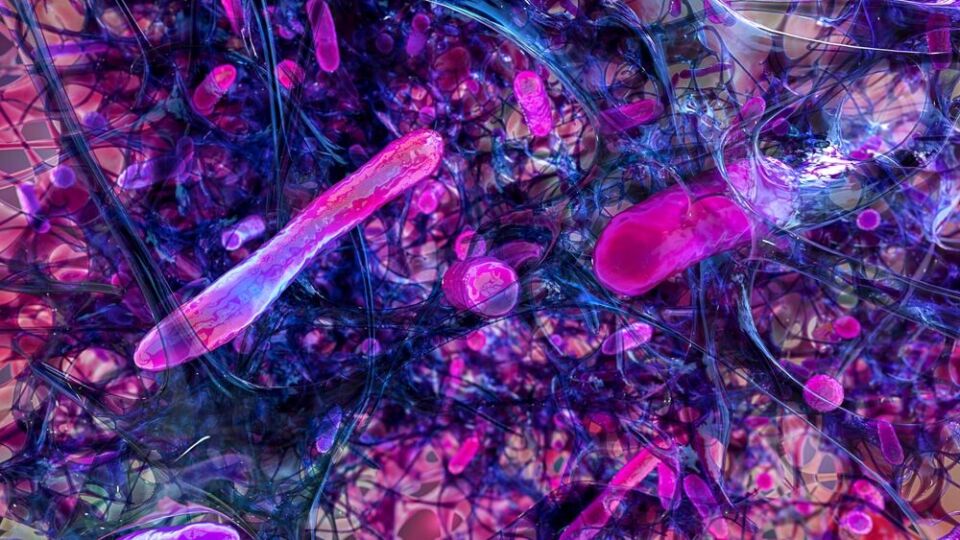
DFIs consist of multiple bacteria that exist together in a biofilm. A biofilm is a complex matrix of sugars, lipids, DNA and other bacterial and cellular components, which the bacteria live in.
The biofilm forms a barrier around the bacteria, shielding them from the immune system, environmental stresses and, in a hospital setting, from antibiotics. Individual bacteria within the biofilm can also have their own mechanisms for resisting antibiotics, making these infections particularly challenging to treat.
However, some bacteriophages can uniquely break down biofilms as part of their natural growth cycle, not only allowing the phages entry but also restoring function to some antibiotics. Phages can also target bacteria that antibiotics cannot. While some bacteria have become resistant to all antibiotics, the natural diversity of phages offers potential options even when resistance to individual phages develops.
*IDF Diabetes Atlas, 2025
Targeting infection at the wound
Our patented technology is being applied to a phage-based wound dressing for diabetic foot infections.